The Two Numbers Every Seller Should Compare
Before you list a home in Brentwood, there is a comparison worth making that has nothing to do with paint color or curb appeal. It is the gap between what a chimney inspection costs on your own schedule and what the same finding costs once it surfaces during someone else's deadline. Homeowners across the Westside and Malibu Coast tend to treat a chimney inspection as paperwork. In practice it works more like an insurance policy against a transaction that stalls at the worst possible moment.
Why the Inspection Comes Up Anyway
Nearly every real estate transaction in this market eventually involves a chimney inspection, whether the seller schedules it ahead of time or the buyer's side requests one after their own walkthrough turns up a question mark. A Level 2 inspection, the kind that includes a video camera scan of the flue interior, is what most lenders, agents, and insurers expect to see before closing. The part a seller actually controls is not whether the inspection happens. It is whether the results arrive before the price is set or after.
What the Camera Actually Finds
A camera scan reaches places a flashlight from the firebox never will: hairline cracks in flue tile, joints that have separated with age, a liner section weakened by decades of heat cycling, or scorching left behind by a small fire nobody ever reported. None of these are rare findings. Most homes across Brentwood and Pacific Palisades were built well before chimney inspection became a routine part of home maintenance, so a full scan is frequently the first time anyone has actually looked inside the flue since the house was built.
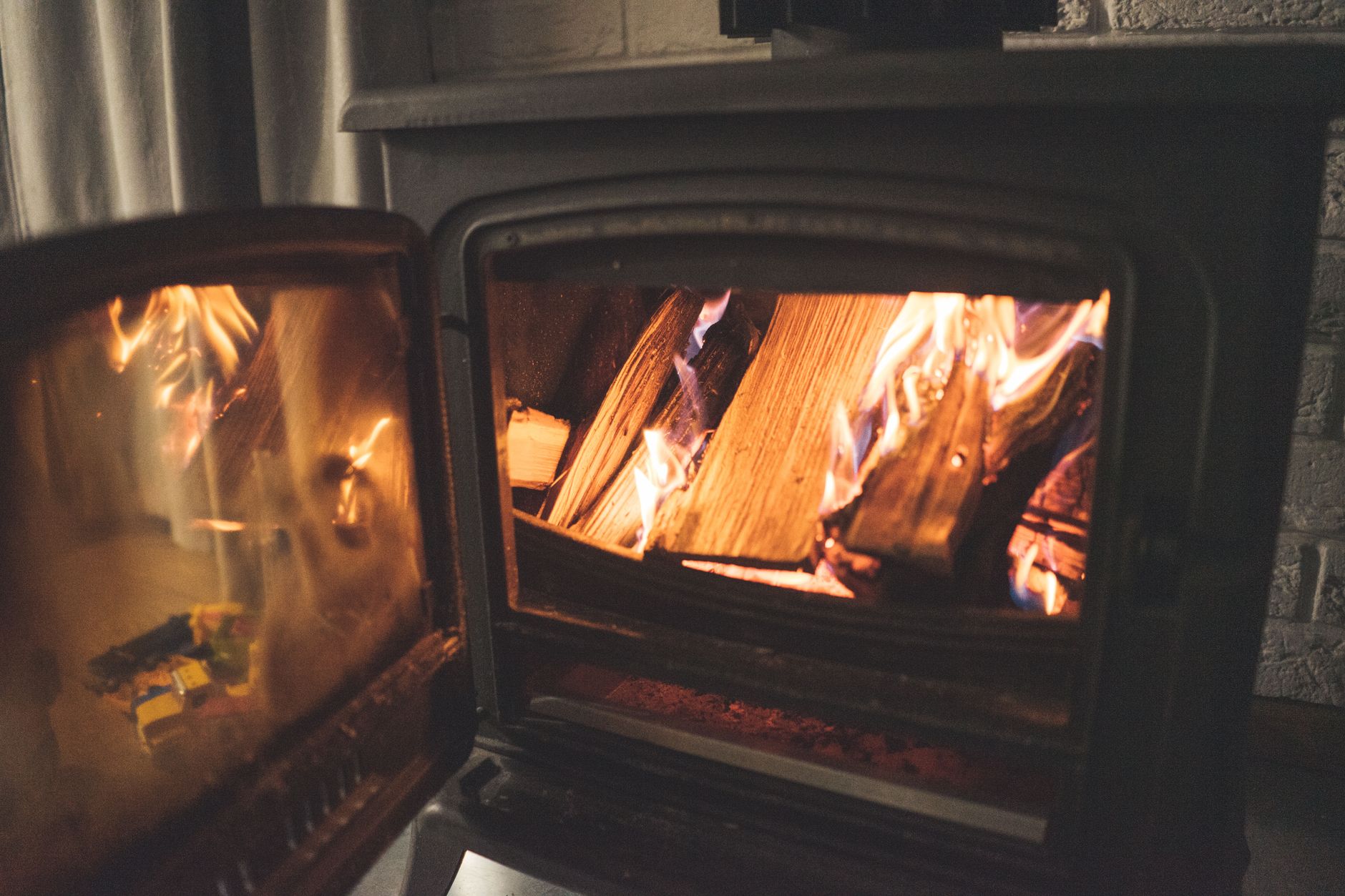
The Cost of Waiting Until Escrow
Here is where the math turns against the seller who skips the inspection. A finding discovered ahead of listing is a line item you address on your own timeline, with room to get more than one estimate and compare a targeted repair against a fuller fix. The identical finding discovered during a buyer's inspection becomes a negotiation, usually a rushed one, with an escrow clock running and a buyer who now wonders what else the house might be hiding. Sellers who end up in that position often pay more for the work, not less, because speed becomes worth more than comparison shopping once a closing date is fixed.
Repair Now or Rebuild Later: How the Call Gets Made
Not every finding is a simple patch, and part of what an early inspection buys you is time to make that call correctly. A cracked crown or a stretch of eroded mortar is usually a straightforward repair. A liner that has failed along most of its length, or a chimney structure that has shifted with the house's settling, is a different kind of decision, one where a partial or full rebuild may hold up longer and cost less over time than chasing repeated patches on a structure that keeps failing in new spots. That is a judgment worth making with a complete inspection report in hand and no deadline pressure attached to it, not one you want to be making in the final stretch of an escrow period.
What This Looks Like Across the Westside and Malibu Coast
The pattern shifts a little by neighborhood, but the underlying math stays the same. Older Brentwood and Pacific Palisades homes built with original masonry chimneys tend to surface liner and mortar findings tied to age. Santa Monica properties near the water often show corrosion on cap and flashing hardware sooner than a comparable chimney sitting further inland. Beverly Hills estates with custom masonry and more than one flue take longer to scan in full, simply because there is more chimney to cover, and each flue can carry its own separate finding. West Hollywood's older bungalows and Spanish-style apartment buildings frequently need mortar and crown attention that has been put off for years. In Malibu, where homes sit closer to wildfire exposure along the canyon terrain above PCH, a missing or damaged spark arrestor reads as a safety finding as much as a maintenance one. None of these problems are unusual. They are simply more expensive to solve once a transaction is already in motion.
The Hidden Cost of a Rushed Repair
A repair completed under an escrow deadline carries a cost beyond the invoice itself. There is rarely time to get a second opinion, rarely room to weigh a targeted repair against a more complete rebuild, and rarely the ability to choose the right contractor instead of whichever one can start soonest. A seller who inspects early keeps every one of those choices open. A seller who waits gives them all up at once.
A Maintenance Record Pays Off at Sale Time
Every inspection and sweep our technicians perform comes with documentation, and that paperwork does more than close out the appointment. A folder of past reports shows a buyer's agent, and eventually a buyer, that the chimney has been maintained rather than ignored. It shortens the conversation around any finding that does turn up, because there is a track record behind it instead of a total unknown. Homeowners who expect to sell within the next few years are better off building that record now than trying to assemble one after a buyer's inspector has already flagged something.
Objections Worth Addressing Early
Some homeowners assume a newer chimney does not need this kind of scrutiny, but age is only one factor among several. A well built chimney on a hillside lot in Pacific Palisades or Beverly Hills can still develop cracking from ground settling long before it would from age alone. Others assume the cost of a full inspection outweighs the benefit for a house they are not selling for years. That may be true, but a Westside real estate transaction can move faster than expected once it starts, and an inspection ordered with plenty of runway costs the same as one ordered under pressure. The advantage is entirely in the timing, not the price.
What to Do Before You List
If a sale is even loosely on your horizon for the coming year, schedule a Level 2 inspection now rather than waiting for your agent to request one. It costs the same whether you book it in advance or under pressure, but the amount of control you keep over what happens next is nowhere close to the same. An early inspection gives you the choice between a modest repair on your own schedule and an expensive one squeezed into a short contingency window, and that choice is worth having.
A Simple Pre-Listing Checklist
If you want a rough sense of where your chimney stands before you commit to a listing date, walk the exterior first. Look for the chalky white staining that signals mortar starting to give way, a cap that sits crooked or shows rust, and any daylight visible around the flashing where the chimney meets the roofline. Inside, note whether the firebox has any hairline cracks in the brick or refractory panel, and whether the damper opens and closes without sticking. None of this replaces a professional camera scan, but it tells you roughly what category of finding you are likely dealing with, and it means you walk into the inspection with realistic expectations rather than a surprise. Homes across Pacific Palisades and Beverly Hills with more than one fireplace benefit from running this same check on every flue rather than assuming one clean-looking fireplace means the whole system is in equally good shape. A quick self-check like this one costs nothing but a few minutes, and it can save you from being caught off guard by whatever the camera turns up once the appointment is on the books.
Schedule Your Inspection
Turner Bros Chimney Pros's CSIA-certified technicians perform Level 2 inspections across Brentwood, Pacific Palisades, Malibu, Santa Monica, Beverly Hills, and West Hollywood. Call (424) 266-4571 before your chimney becomes a bargaining chip in a negotiation you did not see coming.
Need Professional Chimney Service?
Our CSIA-certified technicians are ready to help with all your chimney and fireplace needs. Contact Turner Bros Chimney Pros today for expert service throughout the Westside / Malibu Coast service area.